Word Explanation
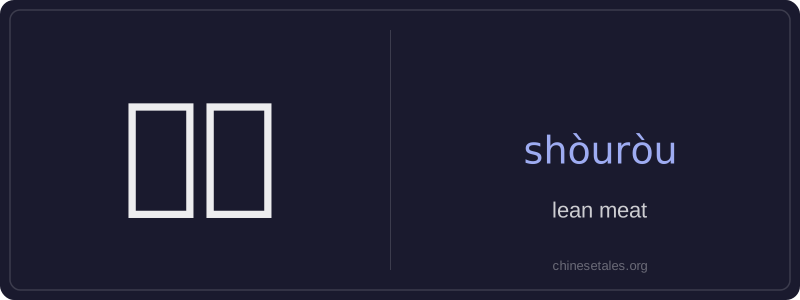
瘦肉 (shòuròu) literally means 'thin meat' — 瘦 (shòu) means 'thin' or 'lean', and 肉 (ròu) means 'meat'. Together, they refer specifically to meat with little or no visible fat, such as lean pork, beef, or chicken breast. It’s a common term in everyday Chinese cooking, nutrition discussions, and food labeling, especially when distinguishing between fatty and lean cuts.
This word is frequently used in markets, recipes, and health-conscious contexts — for example, doctors may recommend eating more 瘦肉 for people managing cholesterol or weight. Unlike the English phrase 'lean meat', 瘦肉 is always a noun and never used attributively (you wouldn’t say *瘦肉 beef*); instead, it stands alone or appears after measure words like 一斤瘦肉 (one jin of lean meat). It’s neutral in register — appropriate in both casual conversation and formal dietary advice.
Example Sentences
Related Words
背后
背后 literally means 'back + behind' and functions
认同
‘认同’ (tóng rèn) is a verb meaning ‘to ident
不对
不对 (bù duì) literally combines 不 (bù), meani
中学
'Zhōngxué' literally combines 'zhōng' (middle)
见面
见面 literally means 'see face' — combining 见 (t
面条
‘面条’ (miàn tiáo) literally means ‘flour str
外语
‘外语’ literally means ‘outside language’ —
认可
认可 (rèn kě) is a formal, transitive verb meani