Word Explanation
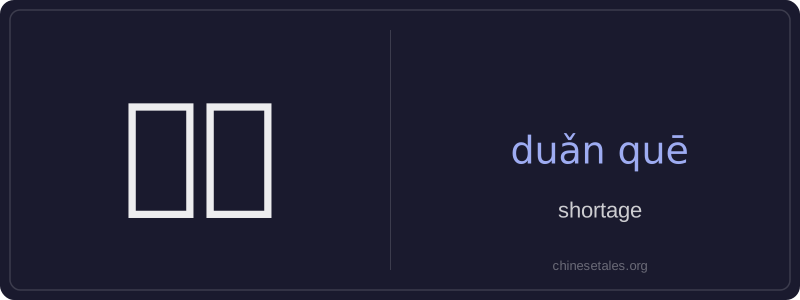
短缺 (duǎn quē) is a compound noun meaning 'shortage' — a situation where there is insufficient supply of something needed or expected. The character 短 (duǎn) literally means 'short' or 'insufficient', while 缺 (quē) means 'to lack' or 'to be missing'. Together, they emphasize both the insufficiency and the absence of a required quantity. This word is commonly used in formal or semi-formal contexts, especially when discussing resources, supplies, services, or essential goods.
短缺 often appears in news reports, policy discussions, and everyday conversation about practical needs — for example, food shortages during disasters, medicine shortages in hospitals, or skilled labor shortages in industries. It carries a neutral-to-slightly-negative connotation, implying a problem that requires attention or resolution. Unlike more colloquial terms like 不够 (bù gòu, 'not enough'), 短缺 suggests a systemic or significant gap, not just momentary insufficiency.
Example Sentences
Related Words
背后
背后 literally means 'back + behind' and functions
认同
‘认同’ (tóng rèn) is a verb meaning ‘to ident
不对
不对 (bù duì) literally combines 不 (bù), meani
中学
'Zhōngxué' literally combines 'zhōng' (middle)
见面
见面 literally means 'see face' — combining 见 (t
面条
‘面条’ (miàn tiáo) literally means ‘flour str
外语
‘外语’ literally means ‘outside language’ —
认可
认可 (rèn kě) is a formal, transitive verb meani