Word Explanation
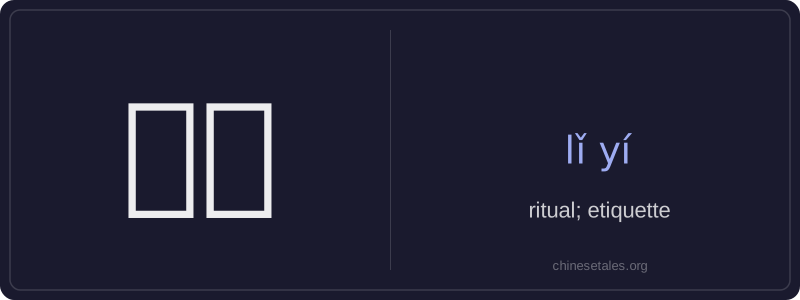
礼仪 (lǐ yí) is a compound noun meaning 'ritual' or 'etiquette' — the formal, respectful behaviors expected in social, ceremonial, or official situations. The first character 礼 (lǐ) means 'ritual', 'courtesy', or 'gift', and carries connotations of respect and propriety; the second character 仪 (yí) means 'ceremony', 'demeanor', or 'formal conduct'. Together, they emphasize both the outward actions (bows, greetings, gift-giving) and the inner attitude of respect that underpin harmonious human interaction in Chinese culture.
This word is commonly used in contexts like weddings, business meetings, diplomatic events, and family gatherings. It reflects Confucian values emphasizing hierarchy, humility, and mutual respect. While often associated with traditional rites, 王仪 also applies to modern daily etiquette — such as how to address elders, receive a business card, or behave at a dinner table. It’s more formal and culturally grounded than the general English word 'manners'.
Example Sentences
Related Words
背后
背后 literally means 'back + behind' and functions
认同
‘认同’ (tóng rèn) is a verb meaning ‘to ident
不对
不对 (bù duì) literally combines 不 (bù), meani
中学
'Zhōngxué' literally combines 'zhōng' (middle)
见面
见面 literally means 'see face' — combining 见 (t
面条
‘面条’ (miàn tiáo) literally means ‘flour str
外语
‘外语’ literally means ‘outside language’ —
认可
认可 (rèn kě) is a formal, transitive verb meani