Word Explanation
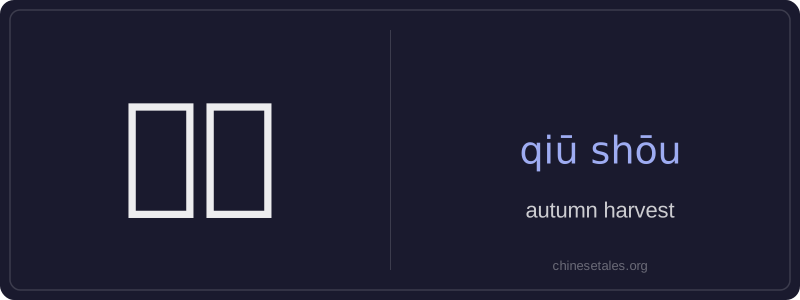
秋收 (qiū shōu) literally combines 秋 (qiū), meaning 'autumn', and 收 (shōu), meaning 'to harvest' or 'to gather'. Together, it refers specifically to the agricultural activity of harvesting crops in autumn—the peak season for reaping rice, corn, soybeans, apples, and other staple and fruit crops across much of China. It is a culturally significant term, often associated with abundance, hard work, and seasonal rhythms in rural life.
While 秋收 functions primarily as a noun, it can also appear in compound terms like 秋收时节 (qiū shōu shí jié, 'autumn harvest season') or 秋收工作 (qiū shōu gōng zuò, 'harvest work'). Historically, it marked an important economic and communal milestone—families and villages coordinated labor, celebrated with festivals, and prepared for winter storage. Today, it remains widely used in news reports, agricultural policy, and literature describing rural development and seasonal change.
Example Sentences
Related Words
背后
背后 literally means 'back + behind' and functions
认同
‘认同’ (tóng rèn) is a verb meaning ‘to ident
不对
不对 (bù duì) literally combines 不 (bù), meani
中学
'Zhōngxué' literally combines 'zhōng' (middle)
见面
见面 literally means 'see face' — combining 见 (t
面条
‘面条’ (miàn tiáo) literally means ‘flour str
外语
‘外语’ literally means ‘outside language’ —
认可
认可 (rèn kě) is a formal, transitive verb meani