Word Explanation
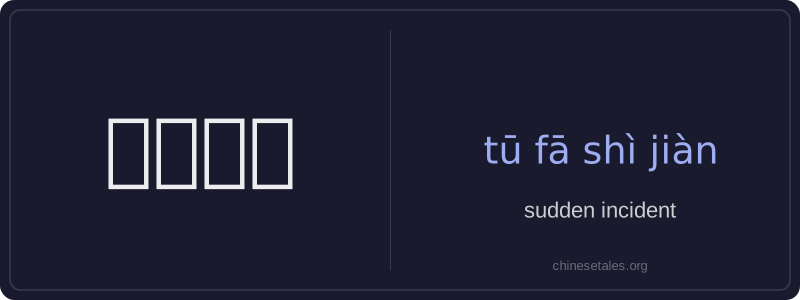
突发事件 literally means 'sudden occurrence event' — each character contributes to the meaning: 突 (tū) means 'sudden' or 'abrupt', 发 (fā) means 'to happen' or 'to occur', 事 (shì) means 'matter' or 'affair', and 件 (jiàn) is a common measure word for events or incidents. Together, they form a formal compound noun referring to unexpected, often urgent events that require immediate attention — such as natural disasters, accidents, public health emergencies, or security breaches.
This term is widely used in official announcements, news reports, emergency management, and government documents. It carries a neutral-to-serious tone and implies unpredictability and potential impact. Unlike casual terms like 出事 (chū shì, 'something went wrong'), 突发事件 is precise, institutional, and frequently appears in phrases like '突发事件应对' (emergency response) or '突发事件预警' (early warning for sudden incidents). It is rarely used in informal daily conversation unless discussing real crises.
Example Sentences
Related Words
背后
背后 literally means 'back + behind' and functions
认同
‘认同’ (tóng rèn) is a verb meaning ‘to ident
不对
不对 (bù duì) literally combines 不 (bù), meani
中学
'Zhōngxué' literally combines 'zhōng' (middle)
见面
见面 literally means 'see face' — combining 见 (t
面条
‘面条’ (miàn tiáo) literally means ‘flour str
外语
‘外语’ literally means ‘outside language’ —
认可
认可 (rèn kě) is a formal, transitive verb meani