Word Explanation
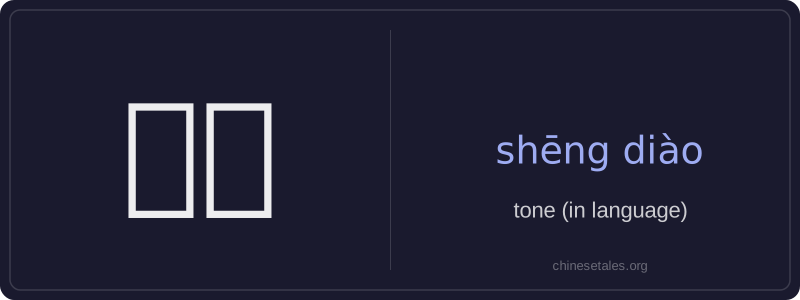
'Shēng diào' literally means 'sound tone' — 'shēng' (sound, voice) and 'diào' (tune, pitch, or melody) combine to refer specifically to the distinctive pitch contours that distinguish meaning in tonal languages like Chinese. Mandarin has four main lexical tones plus a neutral tone, and changing the tone of a syllable can completely change its meaning — for example, 'mā' (mother), 'má' (hemp), 'mǎ' (horse), and 'mà' (scold) all share the same consonant-vowel structure but differ only in tone.
This term is used primarily in linguistics, language teaching, and speech training. Learners must master shēng diào to be understood, as mispronouncing tones often leads to confusion or unintended meanings. Native speakers acquire tones naturally in childhood, but adult learners typically require focused listening and repetition practice to internalize them accurately.
Example Sentences
Related Words
背后
背后 literally means 'back + behind' and functions
认同
‘认同’ (tóng rèn) is a verb meaning ‘to ident
不对
不对 (bù duì) literally combines 不 (bù), meani
中学
'Zhōngxué' literally combines 'zhōng' (middle)
见面
见面 literally means 'see face' — combining 见 (t
面条
‘面条’ (miàn tiáo) literally means ‘flour str
外语
‘外语’ literally means ‘outside language’ —
认可
认可 (rèn kě) is a formal, transitive verb meani