Word Explanation
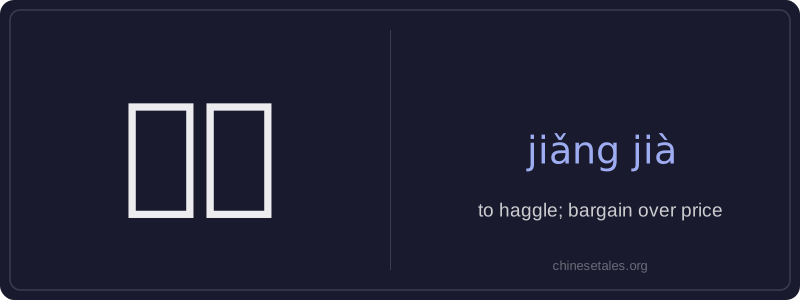
讲价 literally means 'to speak (讲) price (价)' — it describes the back-and-forth negotiation between buyer and seller to reach a mutually acceptable price. Unlike fixed-price transactions common in supermarkets, 讲价 is typical in informal markets, street stalls, flea markets, or small family-run shops where prices are flexible and open to discussion. It reflects a social interaction rooted in mutual respect and practicality: the buyer expresses willingness to pay less, while the seller considers profit margin and customer goodwill.
This verb is used only in spoken or semi-formal contexts — never in official contracts or high-end retail settings. It implies active dialogue, often involving gestures, polite persistence, and cultural awareness of appropriate price ranges. While common across China, regional styles vary: in southern markets, haggling may be more animated; in northern cities, it tends to be quicker and more direct. Mastery of 讲价 signals not just language ability but also social fluency in everyday Chinese life.
Example Sentences
Related Words
背后
背后 literally means 'back + behind' and functions
认同
‘认同’ (tóng rèn) is a verb meaning ‘to ident
不对
不对 (bù duì) literally combines 不 (bù), meani
中学
'Zhōngxué' literally combines 'zhōng' (middle)
见面
见面 literally means 'see face' — combining 见 (t
面条
‘面条’ (miàn tiáo) literally means ‘flour str
外语
‘外语’ literally means ‘outside language’ —
认为
‘认为’ (rèn wéi) is a transitive verb meaning