Word Explanation
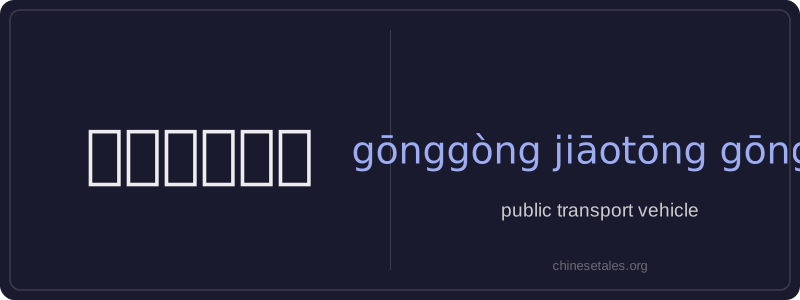
公共交通工具 literally means 'public transportation tool' — a compound noun referring to vehicles owned or operated by the government or licensed companies for collective passenger use. The characters break down as: 公 (public), 共 (shared), 交 (transportation), 通 (to connect or move), 工 (work, here implying functional purpose), and 具 (tool or instrument). Together, they emphasize shared, accessible mobility infrastructure.
This term is formal and inclusive — covering buses, subways, trams, ferries, and sometimes even shared bicycles or ride-hailing services when officially integrated into municipal transit systems. It’s commonly used in policy documents, public announcements, and daily conversation when discussing urban mobility, environmental sustainability, or commuting logistics. Unlike colloquial terms like 公交车 (bus) or 地铁 (subway), 公共交通工具 stresses the systemic, collective nature of the service rather than a specific vehicle type.
Example Sentences
Related Words
面条
‘面条’ (miàn tiáo) literally means ‘flour str
背后
背后 literally means 'back + behind' and functions
认同
‘认同’ (tóng rèn) is a verb meaning ‘to ident
不对
不对 (bù duì) literally combines 不 (bù), meani
中学
'Zhōngxué' literally combines 'zhōng' (middle)
见面
见面 literally means 'see face' — combining 见 (t
外语
‘外语’ literally means ‘outside language’ —
认为
‘认为’ (rèn wéi) is a transitive verb meaning