Word Explanation
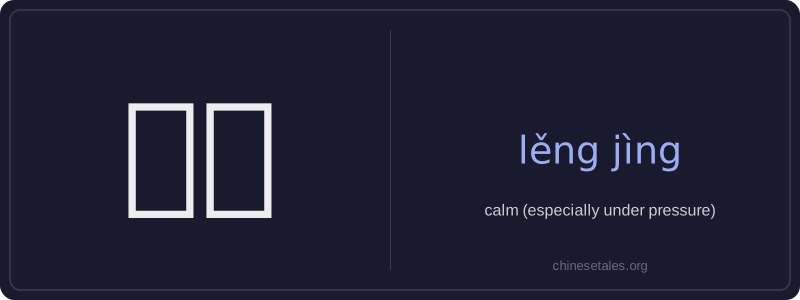
冷静 (lěng jìng) is an adjective meaning 'calm'—especially the kind of calmness shown when facing stress, danger, or strong emotions. Literally, 冷 ('cold') suggests emotional detachment or lack of heat/impulse, while 静 ('still, quiet') conveys mental stillness and composure. Together, they describe a state of clear-headed self-control, not just physical quietness or absence of noise.
This word is commonly used to praise someone’s ability to think clearly under pressure—for example, during emergencies, arguments, or high-stakes decisions. It implies rationality, emotional restraint, and level-headedness. While it can describe temporary behavior ('Stay calm!'), it’s also used to characterize a person’s general temperament ('She’s very calm'). It’s neutral-to-formal in register and appears frequently in news reports, psychological discussions, and everyday advice.
Example Sentences
Related Words
认同
‘认同’ (tóng rèn) is a verb meaning ‘to ident
面条
‘面条’ (miàn tiáo) literally means ‘flour str
背后
背后 literally means 'back + behind' and functions
认为
‘认为’ (rèn wéi) is a transitive verb meaning
不对
不对 (bù duì) literally combines 不 (bù), meani
中学
'Zhōngxué' literally combines 'zhōng' (middle)
见面
见面 literally means 'see face' — combining 见 (t
外语
‘外语’ literally means ‘outside language’ —