Word Explanation
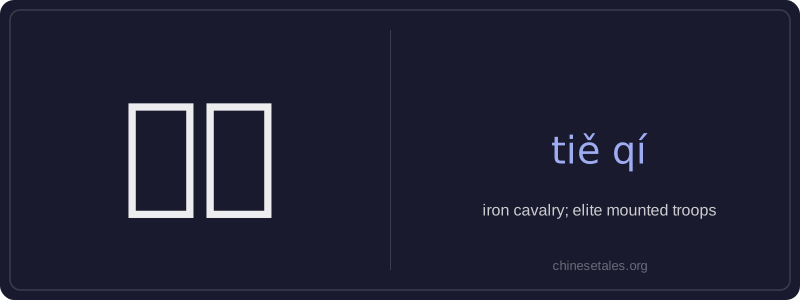
‘铁骑’ literally combines ‘iron’ (铁) and ‘cavalry’ or ‘mounted troops’ (骑), evoking imagery of heavily armored, powerful, and disciplined horsemen. Historically, it referred to elite cavalry units in ancient and imperial Chinese warfare—especially during the Han, Tang, and Yuan dynasties—where horses and riders were both symbolically and sometimes literally clad in iron armor. The term carries strong connotations of military might, speed, and invincibility.
Today, ‘铁骑’ is rarely used in literal military contexts (as cavalry no longer exists in modern armies), but appears frequently in historical literature, poetry, film, and rhetoric to evoke heroic valor, unstoppable force, or nostalgic grandeur. It’s also occasionally borrowed metaphorically—for example, to describe a swift, formidable police motorcycle unit or an unstoppable sports team—though such usage remains literary or figurative rather than colloquial.
Example Sentences
Related Words
认同
‘认同’ (tóng rèn) is a verb meaning ‘to ident
面条
‘面条’ (miàn tiáo) literally means ‘flour str
背后
背后 literally means 'back + behind' and functions
认为
‘认为’ (rèn wéi) is a transitive verb meaning
不对
不对 (bù duì) literally combines 不 (bù), meani
中学
'Zhōngxué' literally combines 'zhōng' (middle)
见面
见面 literally means 'see face' — combining 见 (t
外语
‘外语’ literally means ‘outside language’ —