Word Explanation
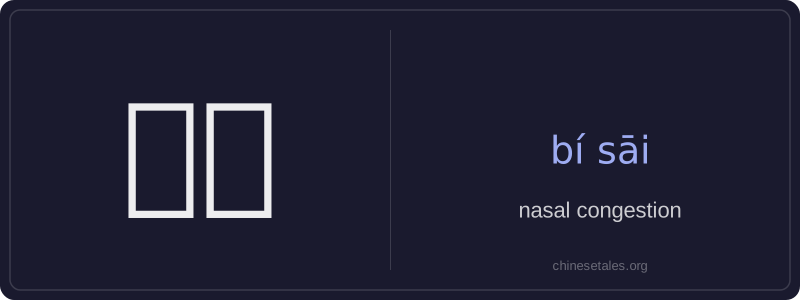
鼻塞 (bí sāi) literally means 'nose blockage' — 鼻 (bí) means 'nose', and 塞 (sāi) means 'to block' or 'to obstruct'. Together, they form a medical and everyday term for nasal congestion: the uncomfortable feeling of stuffiness or reduced airflow through the nasal passages, often caused by colds, allergies, or sinus inflammation. It’s a neutral, widely understood term used in both informal conversations and clinical settings.
This word is commonly used when describing cold or flu symptoms, discussing allergy relief, or seeking advice from doctors or pharmacists. Unlike more technical terms like 鼻炎 (bí yán, 'rhinitis'), 鼻塞 is accessible to all speakers and frequently appears in health advisories, over-the-counter medicine labels, and casual talk about feeling unwell. It does not imply severity — mild or temporary congestion qualifies as 鼻塞, and it’s rarely used metaphorically.
Example Sentences
Related Words
认同
‘认同’ (tóng rèn) is a verb meaning ‘to ident
面条
‘面条’ (miàn tiáo) literally means ‘flour str
背后
背后 literally means 'back + behind' and functions
认为
‘认为’ (rèn wéi) is a transitive verb meaning
不对
不对 (bù duì) literally combines 不 (bù), meani
中学
'Zhōngxué' literally combines 'zhōng' (middle)
见面
见面 literally means 'see face' — combining 见 (t
外语
‘外语’ literally means ‘outside language’ —