Word Explanation
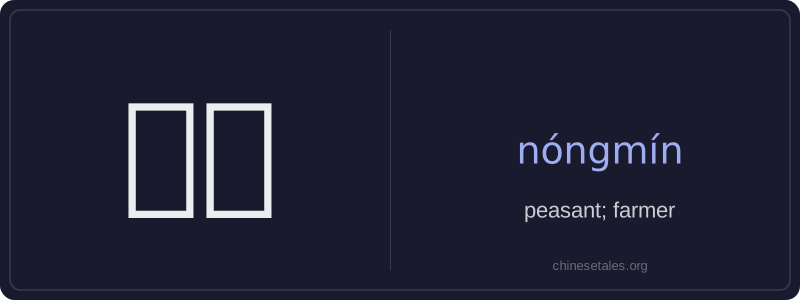
农民 (nóngmín) literally combines 农 (nóng), meaning 'agriculture' or 'farming', and 民 (mín), meaning 'people' or 'citizen'. Together, it refers to people who cultivate land and produce crops or raise livestock—essentially, farmers in a traditional or rural context. Historically, the term carried strong socioeconomic and political connotations in modern Chinese history, especially during land reforms and the Cultural Revolution.
Today, 农民 is widely used in both formal and informal settings to denote individuals engaged in agricultural work, particularly those living in rural areas. While it can be neutral and respectful, in some contexts it may subtly imply lower socioeconomic status compared to urban workers—so tone and context matter. It’s distinct from more technical or modern terms like 农业工作者 (agricultural worker) or 农场主 (farm owner), which emphasize profession or ownership rather than identity.
Example Sentences
Related Words
认同
‘认同’ (tóng rèn) is a verb meaning ‘to ident
面条
‘面条’ (miàn tiáo) literally means ‘flour str
背后
背后 literally means 'back + behind' and functions
认为
‘认为’ (rèn wéi) is a transitive verb meaning
不对
不对 (bù duì) literally combines 不 (bù), meani
中学
'Zhōngxué' literally combines 'zhōng' (middle)
见面
见面 literally means 'see face' — combining 见 (t
外语
‘外语’ literally means ‘outside language’ —