Word Explanation
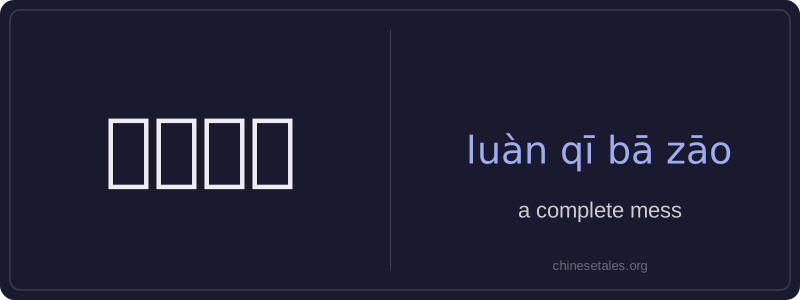
'Luàn qī bā zāo' literally combines 'luàn' (chaotic), 'qī' and 'bā' (the numbers seven and eight — used idiomatically to suggest disorderly multiplicity, like 'all over the place'), and 'zāo' (spoiled, ruined). Together, they form a vivid, slightly colloquial adjective meaning 'a complete mess' — describing physical clutter, disorganized situations, or even confused thinking. The phrase evokes visual chaos: things scattered without logic or order.
This expression is commonly used in informal spoken and written Chinese to criticize or humorously describe untidiness — whether it’s a teenager’s bedroom, a jammed inbox, or an illogical argument. Though it contains numbers, it’s not quantitative; 'qī bā' functions as a fixed idiomatic pair emphasizing fragmentation and lack of coherence, not actual counts. It carries a mildly negative or exasperated tone but is rarely harsh — more descriptive than judgmental.
Example Sentences
Related Words
认同
‘认同’ (tóng rèn) is a verb meaning ‘to ident
面条
‘面条’ (miàn tiáo) literally means ‘flour str
背后
背后 literally means 'back + behind' and functions
认为
‘认为’ (rèn wéi) is a transitive verb meaning
不对
不对 (bù duì) literally combines 不 (bù), meani
中学
'Zhōngxué' literally combines 'zhōng' (middle)
见面
见面 literally means 'see face' — combining 见 (t
外语
‘外语’ literally means ‘outside language’ —