Word Explanation
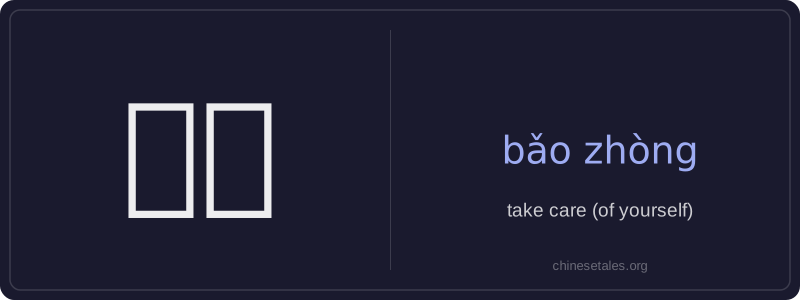
‘保重’ (bǎo zhòng) literally means ‘protect and value’ — 保 (bǎo) means ‘to protect, to keep safe’, and 重 (zhòng) means ‘important, weighty, valuable’. Together, they form a warm, respectful farewell expression meaning ‘take care (of yourself)’, especially when wishing someone well amid concern for their health or wellbeing. It carries a gentle, caring tone and is commonly used when parting ways with someone you care about, such as elders, friends, or colleagues.
This phrase is not used in casual daily greetings like ‘hi’ or ‘bye’, but rather in thoughtful farewells — often after illness, before travel, during emotional goodbyes, or at the end of heartfelt conversations. It implies sincere hope that the person will prioritize their health and safety. Though grammatically it looks like a verb phrase, in practice it functions as a fixed, idiomatic interjection — never conjugated or modified. It’s more formal and tender than ‘bye’ or ‘see you later’, closer in sentiment to ‘take good care of yourself’.
Example Sentences
Related Words
认同
‘认同’ (tóng rèn) is a verb meaning ‘to ident
面条
‘面条’ (miàn tiáo) literally means ‘flour str
背后
背后 literally means 'back + behind' and functions
认为
‘认为’ (rèn wéi) is a transitive verb meaning
不对
不对 (bù duì) literally combines 不 (bù), meani
中学
'Zhōngxué' literally combines 'zhōng' (middle)
见面
见面 literally means 'see face' — combining 见 (t
外语
‘外语’ literally means ‘outside language’ —