Word Explanation
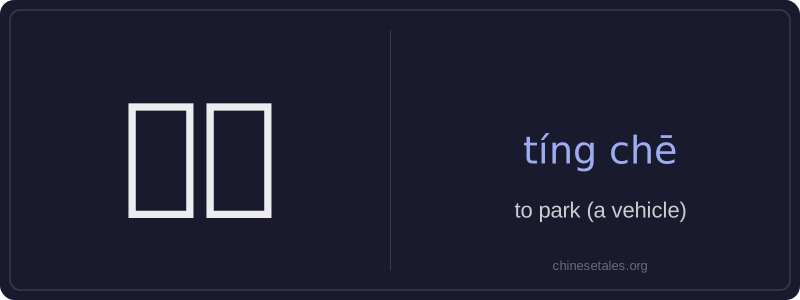
停車 (tíng chē) literally combines 停 (tíng), meaning 'to stop', and 車 (chē), meaning 'vehicle' or 'car'. Together, they form a verb meaning 'to park (a vehicle)' — specifically the act of bringing a vehicle to a halt in a designated or appropriate location for temporary or extended stopping. It is commonly used in urban contexts, traffic instructions, signage, and daily conversation when referring to parking cars, motorcycles, or bicycles.
The term is neutral in register and widely understood across Mandarin-speaking regions. While it can technically apply to any vehicle, in everyday usage it most often refers to cars. Unlike English 'park', 停車 does not imply long-term storage — it simply denotes the action of stopping and leaving the vehicle unattended in a suitable spot, whether briefly at a curb or for hours in a parking lot.
Example Sentences
Related Words
认同
‘认同’ (tóng rèn) is a verb meaning ‘to ident
面条
‘面条’ (miàn tiáo) literally means ‘flour str
背后
背后 literally means 'back + behind' and functions
认为
‘认为’ (rèn wéi) is a transitive verb meaning
不对
不对 (bù duì) literally combines 不 (bù), meani
中学
'Zhōngxué' literally combines 'zhōng' (middle)
见面
见面 literally means 'see face' — combining 见 (t
外语
‘外语’ literally means ‘outside language’ —