Word Explanation
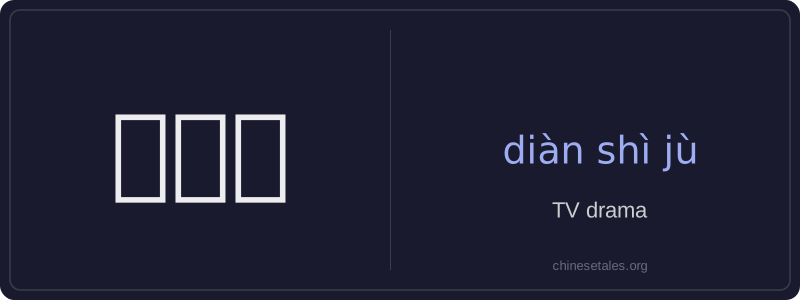
电视剧 (diàn shì jù) literally means 'electric-visual-drama' — combining 电 (diàn, 'electric') for electricity/electronic media, 视 (shì, 'to see') for visual perception, and 剧 (jù, 'drama') for scripted narrative performance. Together, they refer to scripted, serialized television programs with ongoing storylines, character development, and episodic structure — what English speakers call 'TV dramas' or 'TV series'.
Unlike movies (电影), which are self-contained, 电视剧 typically air weekly over weeks or months and often focus on family life, romance, historical events, or contemporary social issues. They’re a staple of Chinese leisure time — many families watch them together in the evening, and popular ones frequently spark nationwide discussion on social media. The term is neutral and widely used across all ages and regions, whether referring to domestic productions or imported Korean, Japanese, or American shows (though the latter are often specified as '韩剧' or '美剧').
Example Sentences
Related Words
认同
‘认同’ (tóng rèn) is a verb meaning ‘to ident
面条
‘面条’ (miàn tiáo) literally means ‘flour str
背后
背后 literally means 'back + behind' and functions
认为
‘认为’ (rèn wéi) is a transitive verb meaning
不对
不对 (bù duì) literally combines 不 (bù), meani
中学
'Zhōngxué' literally combines 'zhōng' (middle)
见面
见面 literally means 'see face' — combining 见 (t
外语
‘外语’ literally means ‘outside language’ —