Word Explanation
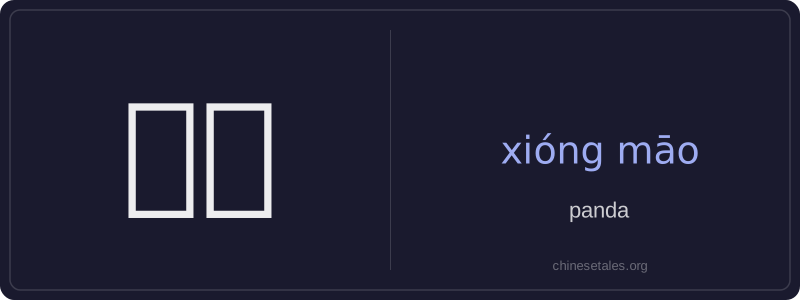
‘Xióng māo’ literally means ‘bear cat’—a compound noun formed by combining 熊 (xiónɡ, ‘bear’) and 猫 (māo, ‘cat’). Though it contains the character for ‘cat’, the giant panda is biologically a bear (family Ursidae), not a feline. The name likely reflects its round face, black-and-white markings, and somewhat cat-like eyes and behavior when young. In Chinese, this term exclusively refers to the giant panda (Ailuropoda melanoleuca), China’s national symbol and a globally beloved endangered species.
The word is used in both formal and informal contexts—whether discussing wildlife conservation, describing zoo animals, or referring to pandas in cultural products like mascots or cartoons. It’s always written as two characters together and never separated in standard usage. Unlike some animal names that change form for plurality, ‘xióng māo’ remains unchanged whether referring to one or many pandas; context or numerals (e.g., 一只熊猫, 两只熊猫) indicate quantity.
Example Sentences
Related Words
背后
背后 literally means 'back + behind' and functions
认同
‘认同’ (tóng rèn) is a verb meaning ‘to ident
不对
不对 (bù duì) literally combines 不 (bù), meani
中学
'Zhōngxué' literally combines 'zhōng' (middle)
见面
见面 literally means 'see face' — combining 见 (t
面条
‘面条’ (miàn tiáo) literally means ‘flour str
外语
‘外语’ literally means ‘outside language’ —
无论谁
‘无论谁’ (wú lùn shéi) is a pronoun meaning