Word Explanation
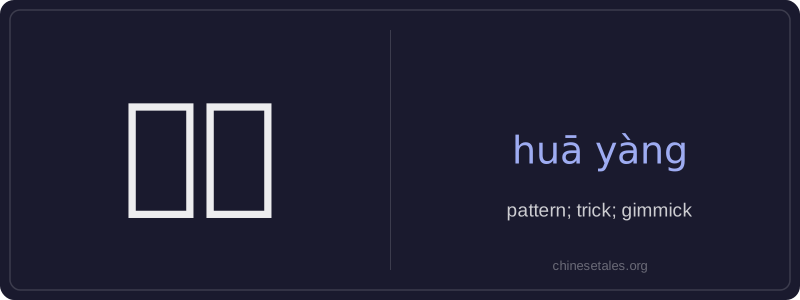
The word huāyàng literally combines 花 (huā, 'flower') and 样 (yàng, 'style' or 'type'), originally evoking the visual variety found in flower arrangements or floral motifs. Over time, it broadened to mean any kind of pattern—especially decorative, repetitive, or stylized designs seen on fabrics, wallpaper, ceramics, or digital interfaces. It emphasizes aesthetic variation rather than functional structure.
In extended usage, huāyàng carries a slightly informal or even skeptical connotation when referring to tricks, gimmicks, or superficial maneuvers—especially in contexts like marketing, politics, or interpersonal behavior ('just more flashy gimmicks'). This figurative sense retains the core idea of surface-level variety lacking substance. It is commonly used in both descriptive and critical registers, often with modifiers like 新 (xīn, 'new') or 各种 (gèzhǒng, 'various').
Example Sentences
Related Words
背后
背后 literally means 'back + behind' and functions
认同
‘认同’ (tóng rèn) is a verb meaning ‘to ident
不对
不对 (bù duì) literally combines 不 (bù), meani
中学
'Zhōngxué' literally combines 'zhōng' (middle)
见面
见面 literally means 'see face' — combining 见 (t
面条
‘面条’ (miàn tiáo) literally means ‘flour str
外语
‘外语’ literally means ‘outside language’ —
认可
认可 (rèn kě) is a formal, transitive verb meani