Word Explanation
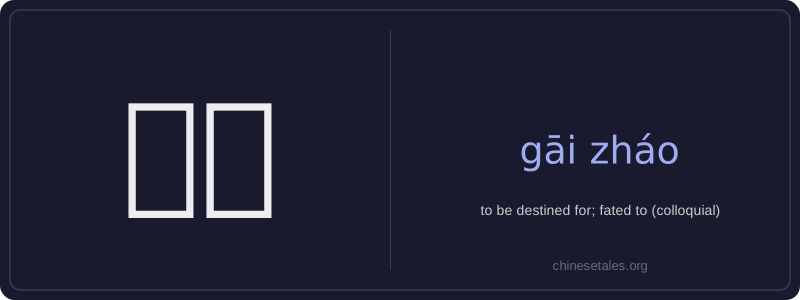
‘该着’ (gāi zháo) is a colloquial verb phrase expressing fate or inevitability — something that is destined to happen, often with a sense of resignation, irony, or dark humor. Literally, 该 means 'ought to' or 'deserved', and 着 here functions as a resultative complement indicating realization or occurrence; together, they convey that an outcome was unavoidable — not because of logic or effort, but due to karmic or circumstantial necessity.
This expression is common in spoken northern Mandarin, especially in storytelling, complaints, or reflective commentary. It often carries emotional weight — implying that no matter what one does, the result was ‘meant to be’, sometimes tragically, sometimes comically. It’s rarely used in formal writing or polite speech, and typically appears after subjects (people or situations) rather than as a standalone predicate.
Example Sentences
Related Words
背后
背后 literally means 'back + behind' and functions
认同
‘认同’ (tóng rèn) is a verb meaning ‘to ident
不对
不对 (bù duì) literally combines 不 (bù), meani
中学
'Zhōngxué' literally combines 'zhōng' (middle)
见面
见面 literally means 'see face' — combining 见 (t
面条
‘面条’ (miàn tiáo) literally means ‘flour str
外语
‘外语’ literally means ‘outside language’ —
认为
‘认为’ (rèn wéi) is a transitive verb meaning