Word Explanation
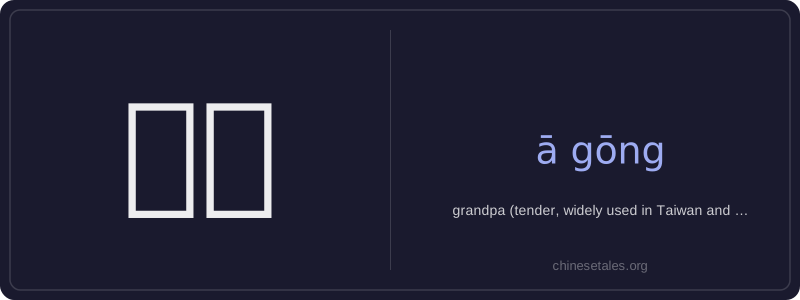
Ā gōng is an affectionate, respectful term for 'grandfather' widely used in Taiwan and Fujian province. The character 阿 (ā) is a common prefix added to kinship terms to convey warmth and familiarity—similar to 'Gramps' or 'Papa' in English—and carries no independent meaning here. The character 公 (gōng) literally means 'lord' or 'sir', but in kinship compounds like this, it specifically denotes paternal grandfather. Together, 阿公 reflects cultural values of familial closeness and intergenerational respect.
This term is informal yet polite, typically used when speaking directly to or about one’s own grandfather. It’s especially common in spoken Mandarin in southern China and Taiwan, and appears frequently in family conversations, stories, and children’s literature. Unlike the more formal 祖父 (zǔfù), 阿公 implies emotional intimacy and everyday use—not appropriate in official documents or formal speeches.
Example Sentences
Related Words
认同
‘认同’ (tóng rèn) is a verb meaning ‘to ident
面条
‘面条’ (miàn tiáo) literally means ‘flour str
背后
背后 literally means 'back + behind' and functions
认为
‘认为’ (rèn wéi) is a transitive verb meaning
不对
不对 (bù duì) literally combines 不 (bù), meani
中学
'Zhōngxué' literally combines 'zhōng' (middle)
见面
见面 literally means 'see face' — combining 见 (t
外语
‘外语’ literally means ‘outside language’ —