Word Explanation
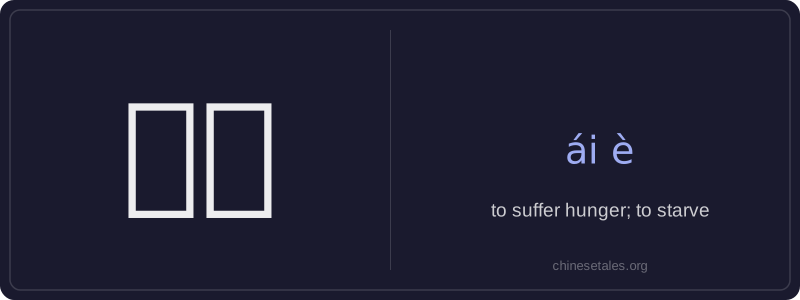
挨饿 is a compound verb meaning 'to suffer hunger' or 'to go without food for an extended period.' The first character, 挨 (ái), conveys endurance or bearing something difficult — often with a sense of passive suffering or hardship. The second character, 饿 (è), means 'hunger' or 'to be hungry.' Together, they emphasize the experience of enduring hunger rather than simply feeling hungry; it implies deprivation, scarcity, or involuntary fasting — not a voluntary choice like dieting. It often carries emotional weight, suggesting hardship, poverty, or helplessness.
This word is commonly used in both spoken and written Chinese to describe situations where people (or sometimes animals) lack sufficient food due to famine, economic hardship, neglect, or punishment. It appears frequently in news reports, literature, and historical narratives about hardship. While it can be used literally, it’s rarely used for temporary or mild hunger — for that, 饿了 or 感到饿 is more appropriate. 挨饿 usually implies repeated, prolonged, or systemic lack of nourishment.
Example Sentences
Related Words
认同
‘认同’ (tóng rèn) is a verb meaning ‘to ident
面条
‘面条’ (miàn tiáo) literally means ‘flour str
背后
背后 literally means 'back + behind' and functions
认为
‘认为’ (rèn wéi) is a transitive verb meaning
不对
不对 (bù duì) literally combines 不 (bù), meani
中学
'Zhōngxué' literally combines 'zhōng' (middle)
见面
见面 literally means 'see face' — combining 见 (t
外语
‘外语’ literally means ‘outside language’ —