Word Explanation
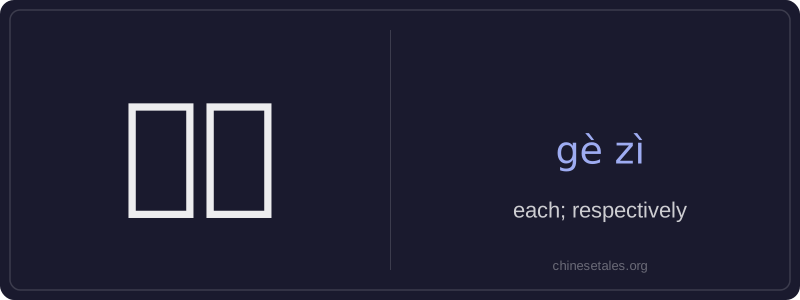
各自 (gè zì) is an adverb meaning 'each' or 'respectively', emphasizing that individuals or items act, possess, or are treated separately and independently. The character 各 (gè) means 'each' or 'every', while 自 (zì) means 'self' or 'oneself'; together, they literally convey 'each one's own'. This word is commonly used before verbs to indicate that actions or states apply individually — for example, when people go their separate ways, make independent choices, or hold personal belongings.
It often appears in formal or neutral register, especially in written Chinese and standard spoken contexts. Unlike the pronoun 各人 (gè rén), which functions as a noun ('each person'), 各自 functions adverbially and must modify a verb or adjective. It frequently pairs with verbs like 做 (do), 回 (return), 负责 (be responsible), or 拿 (take), and usually follows the subject but precedes the verb.
Example Sentences
Related Words
认同
‘认同’ (tóng rèn) is a verb meaning ‘to ident
面条
‘面条’ (miàn tiáo) literally means ‘flour str
背后
背后 literally means 'back + behind' and functions
认为
‘认为’ (rèn wéi) is a transitive verb meaning
不对
不对 (bù duì) literally combines 不 (bù), meani
中学
'Zhōngxué' literally combines 'zhōng' (middle)
见面
见面 literally means 'see face' — combining 见 (t
外语
‘外语’ literally means ‘outside language’ —