Word Explanation
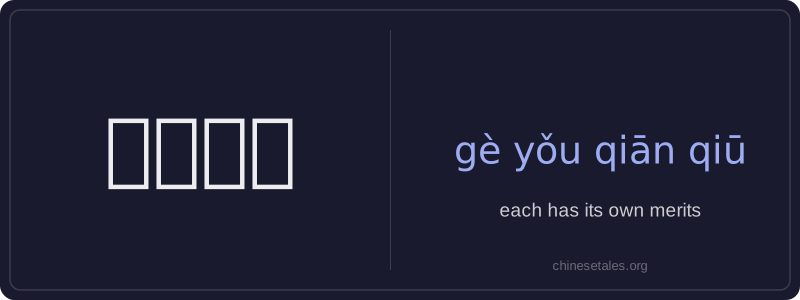
Each character in 各有千秋 contributes to its idiomatic meaning: 各 (gè) means 'each' or 'respective'; 有 (yǒu) means 'to have'; 千 (qiān) is the numeral 'thousand', used here figuratively to mean 'many' or 'countless'; 秋 (qiū) literally means 'autumn', but in this idiom it evokes classical poetic imagery of seasonal beauty and richness — together, 千秋 suggests 'profound, timeless merits'. So the phrase literally conveys 'each has its own thousand autumns', i.e., each possesses unique, abundant, and enduring strengths.
This idiom is commonly used when comparing two or more people, things, or approaches that differ significantly but are all admirable in their own way. It expresses respectful acknowledgment of diversity in excellence — not competition, but complementary value. You’ll hear it in discussions about art styles, teaching methods, regional cuisines, or personal talents. It carries a positive, balanced, and slightly literary tone, often appearing in spoken and written Chinese alike.
Example Sentences
Related Words
认同
‘认同’ (tóng rèn) is a verb meaning ‘to ident
面条
‘面条’ (miàn tiáo) literally means ‘flour str
背后
背后 literally means 'back + behind' and functions
认为
‘认为’ (rèn wéi) is a transitive verb meaning
不对
不对 (bù duì) literally combines 不 (bù), meani
中学
'Zhōngxué' literally combines 'zhōng' (middle)
见面
见面 literally means 'see face' — combining 见 (t
外语
‘外语’ literally means ‘outside language’ —