Word Explanation
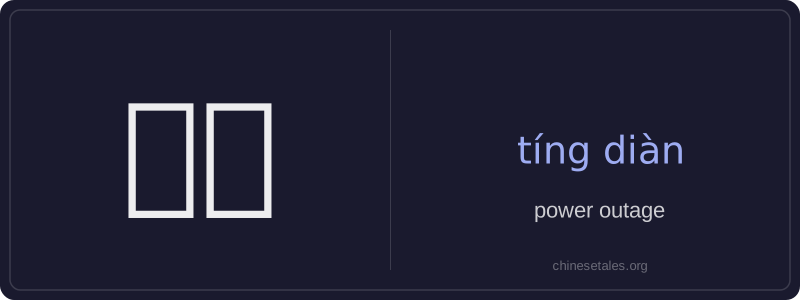
‘停電’ (tíng diàn) literally means ‘stop electricity’ — it’s a compound noun formed by 停 (tíng, ‘to stop’) and 電 (diàn, ‘electricity’). Together, they describe the sudden or planned interruption of electrical power supply to homes, offices, or infrastructure. It’s a common term used in daily life across Chinese-speaking regions, especially during storms, equipment failures, or scheduled maintenance.
This word is neutral in register and widely understood in both formal announcements (e.g., utility company notices) and casual conversation. Unlike technical terms like ‘斷電’ (duàn diàn), which emphasizes physical disconnection, ‘停電’ focuses on the functional result: no power available for lighting, appliances, or electronics. It often implies temporary loss, not permanent failure, and may trigger related actions like lighting candles, using backup generators, or checking news for restoration updates.
Example Sentences
Related Words
认同
‘认同’ (tóng rèn) is a verb meaning ‘to ident
面条
‘面条’ (miàn tiáo) literally means ‘flour str
背后
背后 literally means 'back + behind' and functions
认为
‘认为’ (rèn wéi) is a transitive verb meaning
不对
不对 (bù duì) literally combines 不 (bù), meani
中学
'Zhōngxué' literally combines 'zhōng' (middle)
见面
见面 literally means 'see face' — combining 见 (t
外语
‘外语’ literally means ‘outside language’ —