Word Explanation
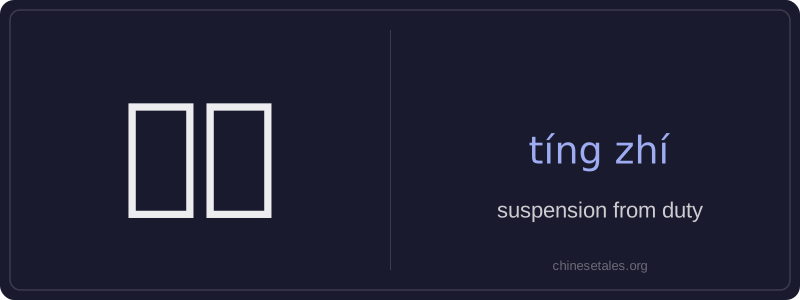
停職 (tíng zhí) literally means 'to stop duty' — 停 (tíng) means 'to stop, suspend', and 職 (zhí) means 'duty, post, or official position'. Together, they form a formal noun meaning 'suspension from duty', typically used in workplace, governmental, or institutional contexts when someone is temporarily removed from their job or responsibilities, usually as a disciplinary measure or pending investigation. It implies no dismissal — the person remains employed but is barred from performing duties for a defined period.
This term is common in official notices, HR documents, news reports about misconduct, or legal proceedings. It carries a serious, formal register and is rarely used in casual speech. Unlike layoff or firing, 停職 preserves employment status and salary may be partially or fully suspended depending on policy. It often precedes further action — such as reinstatement, demotion, or termination — once an inquiry concludes.
Example Sentences
Related Words
认同
‘认同’ (tóng rèn) is a verb meaning ‘to ident
面条
‘面条’ (miàn tiáo) literally means ‘flour str
背后
背后 literally means 'back + behind' and functions
认为
‘认为’ (rèn wéi) is a transitive verb meaning
不对
不对 (bù duì) literally combines 不 (bù), meani
中学
'Zhōngxué' literally combines 'zhōng' (middle)
见面
见面 literally means 'see face' — combining 见 (t
外语
‘外语’ literally means ‘outside language’ —