Word Explanation
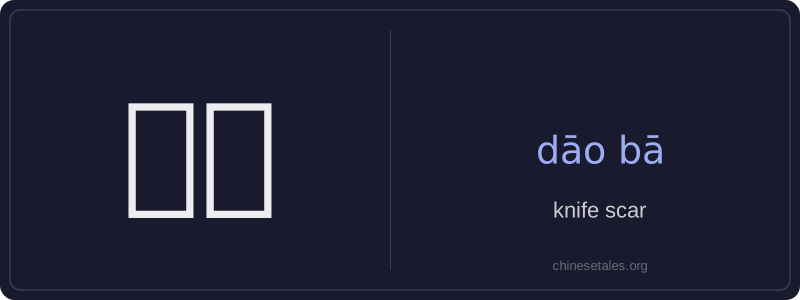
刀疤 (dāo bā) literally means 'knife scar' — a permanent mark left on the skin after a cut or wound caused by a sharp object like a knife. The first character, 刀 (dāo), means 'knife' or 'blade', and the second, 疤 (bā), means 'scar' or 'scar tissue'. Together, they specifically refer to scars resulting from lacerations rather than burns, surgery, or acne. While not exclusively medical terminology, it’s commonly used in everyday speech when describing visible, linear scars on the body.
This word carries a neutral-to-slightly informal register and is often used in personal narratives, descriptions of appearance, or casual health-related conversations. It does not imply severity — a small kitchen cut can leave a 刀疤, as can a deeper injury. Unlike generic terms like 伤疤 (shāng bā, 'injury scar'), 刀疤 emphasizes the cause: a sharp, cutting instrument. It’s rarely used metaphorically and almost always refers to physical scarring on human skin.
Example Sentences
Related Words
认同
‘认同’ (tóng rèn) is a verb meaning ‘to ident
面条
‘面条’ (miàn tiáo) literally means ‘flour str
背后
背后 literally means 'back + behind' and functions
认为
‘认为’ (rèn wéi) is a transitive verb meaning
不对
不对 (bù duì) literally combines 不 (bù), meani
中学
'Zhōngxué' literally combines 'zhōng' (middle)
见面
见面 literally means 'see face' — combining 见 (t
外语
‘外语’ literally means ‘outside language’ —