Word Explanation
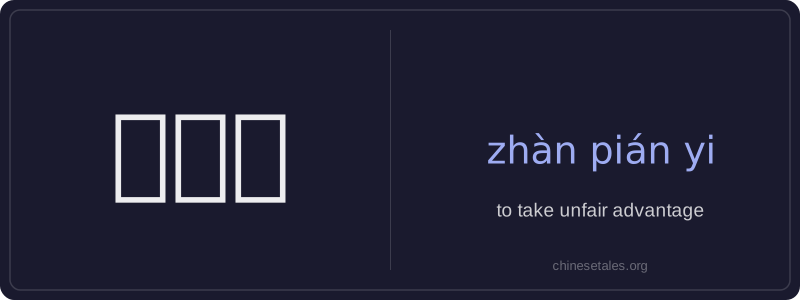
‘占便宜’ (zhàn pián yi) literally means ‘to occupy advantage’ — combining 占 (to take/occupy), 便 (convenient, advantageous), and 宜 (suitable, beneficial). As a verb phrase, it describes taking unfair or unwarranted advantage of a situation or person, often at their expense. It carries a negative connotation and implies moral imbalance — for example, paying far less than fair value, exploiting someone’s kindness, or benefiting from another’s mistake without offering reciprocity.
This expression is commonly used in everyday spoken Chinese to criticize or warn against opportunistic behavior. It appears frequently in contexts involving shopping, favors, relationships, and social obligations. While sometimes used lightly (e.g., joking about getting a small discount), the core meaning always hinges on perceived unfairness or lack of fairness in the exchange. It is not neutral: even mild usage suggests the speaker views the action as ethically questionable.
Example Sentences
Related Words
认同
‘认同’ (tóng rèn) is a verb meaning ‘to ident
面条
‘面条’ (miàn tiáo) literally means ‘flour str
背后
背后 literally means 'back + behind' and functions
认为
‘认为’ (rèn wéi) is a transitive verb meaning
不对
不对 (bù duì) literally combines 不 (bù), meani
中学
'Zhōngxué' literally combines 'zhōng' (middle)
见面
见面 literally means 'see face' — combining 见 (t
外语
‘外语’ literally means ‘outside language’ —