Word Explanation
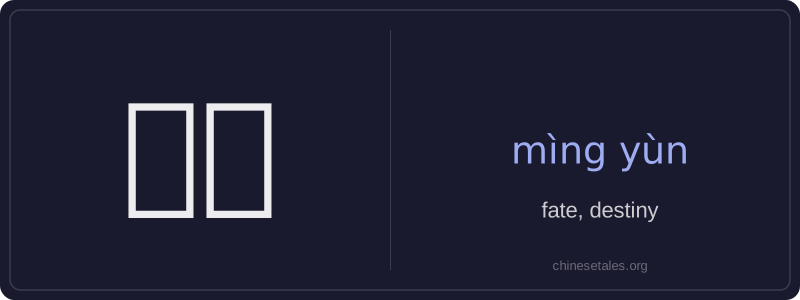
命运 (mìng yùn) literally combines 命 (mìng), meaning 'life' or 'destiny', and 运 (yùn), meaning 'fortune' or 'circumstance'. Together, they express the idea of fate — the seemingly inevitable course of events in a person’s life, often perceived as predetermined or beyond individual control. It carries philosophical, literary, and sometimes spiritual weight, appearing frequently in discussions about life choices, hardship, or unexpected turns.
The term is neutral in tone but often appears in serious or reflective contexts — in novels, films, speeches, or personal reflections. Unlike casual words for 'luck' (e.g., 运气 yùn qi), 命运 suggests deeper, long-term forces shaping one’s path. It can imply resignation ('It’s my fate'), resilience ('I won’t let fate decide for me'), or irony ('Her brilliant career was cut short by fate'). It rarely appears in light, everyday small talk.
Example Sentences
Related Words
认同
‘认同’ (tóng rèn) is a verb meaning ‘to ident
面条
‘面条’ (miàn tiáo) literally means ‘flour str
背后
背后 literally means 'back + behind' and functions
认为
‘认为’ (rèn wéi) is a transitive verb meaning
不对
不对 (bù duì) literally combines 不 (bù), meani
中学
'Zhōngxué' literally combines 'zhōng' (middle)
见面
见面 literally means 'see face' — combining 见 (t
外语
‘外语’ literally means ‘outside language’ —