Word Explanation
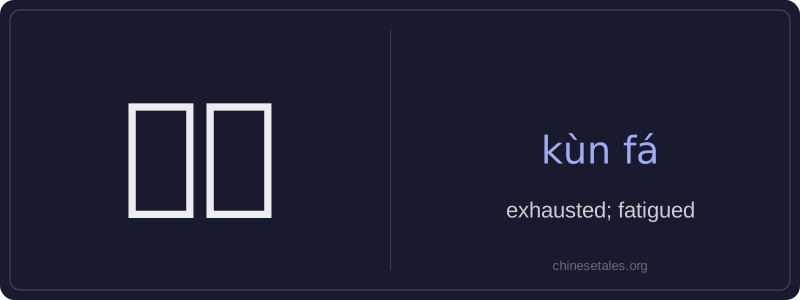
困乏 is an adjective meaning 'exhausted' or 'fatigued', describing a physical or mental state of severe tiredness. The character 困 means 'trapped', 'hard-pressed', or 'in difficulty', evoking a sense of being weighed down; 乏 means 'lacking', 'insufficient', or 'worn out'. Together, they intensify the sense of depletion — not just sleepy, but deeply drained, often after prolonged effort, illness, or stress. It’s more formal and literary than common alternatives like 累 (lèi) and carries a slightly stronger, sometimes somber connotation.
This word appears frequently in written Chinese — novels, news reports, medical contexts — and in formal speech, especially when describing chronic fatigue, recovery from illness, or exhaustion due to hardship. It’s rarely used in casual conversation among friends; instead, it suits contexts where seriousness, empathy, or gravity is appropriate — for example, describing an elderly person’s frailty or a worker’s burnout after months without rest.
Example Sentences
Related Words
背后
背后 literally means 'back + behind' and functions
认同
‘认同’ (tóng rèn) is a verb meaning ‘to ident
面条
‘面条’ (miàn tiáo) literally means ‘flour str
认为
‘认为’ (rèn wéi) is a transitive verb meaning
无论谁
‘无论谁’ (wú lùn shéi) is a pronoun meaning
不对
不对 (bù duì) literally combines 不 (bù), meani
中学
'Zhōngxué' literally combines 'zhōng' (middle)
见面
见面 literally means 'see face' — combining 见 (t