Word Explanation
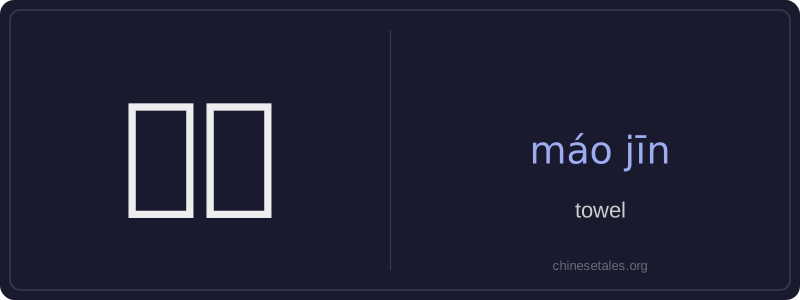
‘毛巾’ (máo jīn) literally means ‘hair cloth’: 毛 (máo) originally refers to hair or fine fibers, and 巾 (jīn) is a general term for a rectangular cloth used for wiping or covering—like a scarf, napkin, or towel. Together, they specifically denote a soft, absorbent cloth used for drying the body, face, or hands after washing. It’s a basic household item found in bathrooms, kitchens, and gyms.
In daily life, ‘毛巾’ is unmarked for formality and used across all registers—from casual conversation to product labels. It’s distinct from other cloths like 抹布 (mā bù, cleaning rag) or 手帕 (shǒu pà, handkerchief), as it implies personal hygiene use and is typically larger and more absorbent. While some towels may be decorative, the word itself carries no aesthetic connotation—it focuses on function and material.
Example Sentences
Related Words
面条
‘面条’ (miàn tiáo) literally means ‘flour str
背后
背后 literally means 'back + behind' and functions
认同
‘认同’ (tóng rèn) is a verb meaning ‘to ident
无论谁
‘无论谁’ (wú lùn shéi) is a pronoun meaning
中学
'Zhōngxué' literally combines 'zhōng' (middle)
认为
‘认为’ (rèn wéi) is a transitive verb meaning
认可
认可 (rèn kě) is a formal, transitive verb meani
不对
不对 (bù duì) literally combines 不 (bù), meani