Word Explanation
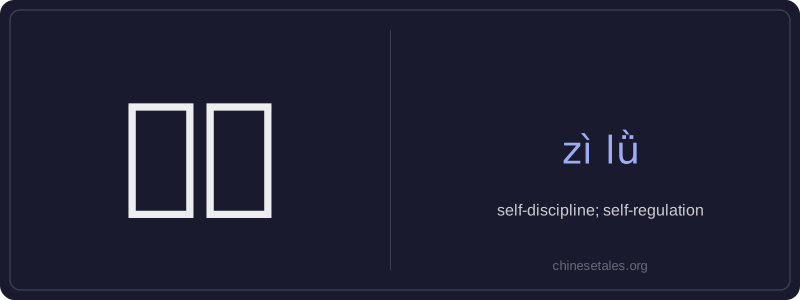
自律 (zì lǜ) literally combines 自 (zì), meaning 'self', and 律 (lǜ), meaning 'to regulate' or 'law'. Together, it signifies the internal ability to govern one’s own behavior, emotions, and actions—especially in pursuit of long-term goals—without external supervision. It emphasizes consistency, responsibility, and personal standards.
This word is commonly used in contexts involving study habits, health management, work ethics, and personal growth. Unlike externally imposed rules, 自律 reflects conscious choice and inner commitment—for example, waking up early daily not because someone demands it, but because you value discipline. It carries a positive, respectful connotation and is often praised in education, self-improvement, and workplace culture. While similar to 'willpower', 自律 implies sustained practice rather than momentary effort.
Example Sentences
Related Words
面条
‘面条’ (miàn tiáo) literally means ‘flour str
背后
背后 literally means 'back + behind' and functions
认同
‘认同’ (tóng rèn) is a verb meaning ‘to ident
无论谁
‘无论谁’ (wú lùn shéi) is a pronoun meaning
中学
'Zhōngxué' literally combines 'zhōng' (middle)
见面
见面 literally means 'see face' — combining 见 (t
外语
‘外语’ literally means ‘outside language’ —
认为
‘认为’ (rèn wéi) is a transitive verb meaning