Word Explanation
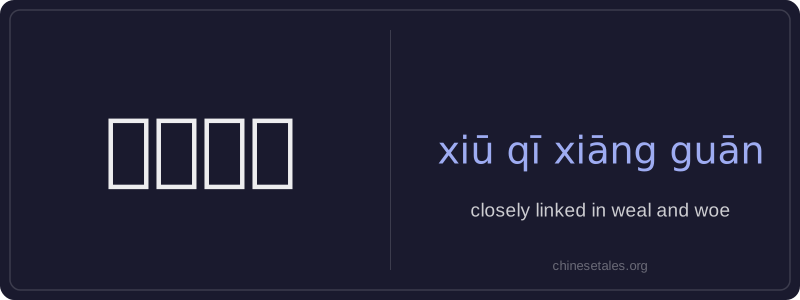
‘休戚相关’ literally combines ‘xiū’ (well-being, prosperity) and ‘qī’ (sorrow, hardship), representing the full spectrum of fortune and misfortune; ‘xiāng guān’ means ‘mutually related’. Together, the phrase expresses a deep, inseparable bond where people or things share both joys and sorrows — not just coexistence, but shared fate. It emphasizes interdependence, often implying moral or emotional responsibility toward others.
This idiom is commonly used in formal writing, speeches, and news reports to describe relationships between nations, families, social groups, or even humans and nature. It carries a solemn, weighty tone and suggests that one party’s gain or loss inevitably affects the other. Unlike casual terms for connection, 休戚相关 conveys gravity and ethical resonance — it’s reserved for situations where stakes are high and outcomes are deeply intertwined.
Example Sentences
Related Words
面条
‘面条’ (miàn tiáo) literally means ‘flour str
背后
背后 literally means 'back + behind' and functions
认同
‘认同’ (tóng rèn) is a verb meaning ‘to ident
无论谁
‘无论谁’ (wú lùn shéi) is a pronoun meaning
中学
'Zhōngxué' literally combines 'zhōng' (middle)
见面
见面 literally means 'see face' — combining 见 (t
外语
‘外语’ literally means ‘outside language’ —
认为
‘认为’ (rèn wéi) is a transitive verb meaning