Word Explanation
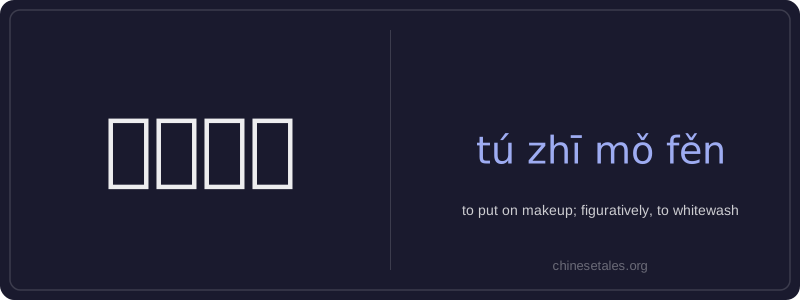
涂脂抹粉 literally means 'to apply grease (lip balm or ointment) and powder' — referring to the traditional Chinese practice of applying facial cosmetics like animal-fat-based creams and rice powder. Historically, it described women’s daily grooming, especially in imperial courts or theatrical performances. Each character contributes: 涂 (to smear), 脂 (grease/oil, here meaning cosmetic cream), 抹 (to rub or dab), and 粉 (powder). The phrase evokes careful, sometimes excessive, beautification.
Figuratively, 涂脂抹粉 is commonly used in critical or ironic contexts to mean 'to whitewash' — hiding flaws, exaggerating merits, or presenting something misleadingly positive. It carries a negative connotation when applied to people, policies, or narratives, suggesting superficial embellishment rather than genuine improvement. While rooted in physical makeup, its figurative use dominates modern written and formal spoken Chinese, especially in journalism, political commentary, and literary criticism.
Example Sentences
Related Words
国语
‘Guó yǔ’ literally means 'national language'—
无论谁
‘无论谁’ (wú lùn shéi) is a pronoun meaning
外语
‘外语’ literally means ‘outside language’ —
面条
‘面条’ (miàn tiáo) literally means ‘flour str
不对
不对 (bù duì) literally combines 不 (bù), meani
认为
‘认为’ (rèn wéi) is a transitive verb meaning
认同
‘认同’ (tóng rèn) is a verb meaning ‘to ident
中学
'Zhōngxué' literally combines 'zhōng' (middle)