Word Explanation
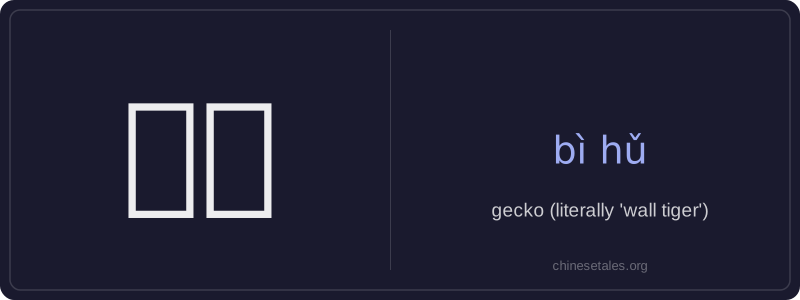
壁虎 (bì hǔ) literally means 'wall tiger' — 壁 (bì) means 'wall' or 'cliff', and 虎 (hǔ) means 'tiger'. This vivid compound reflects the gecko’s agile, stealthy movement on vertical surfaces like walls and ceilings, evoking the power and quiet intensity of a tiger. Unlike real tigers, however, wall lizards are small, harmless, insect-eating reptiles common in homes across southern and eastern China.
In everyday Chinese, 壁虎 is used neutrally and descriptively — it appears in nature documentaries, elementary science texts, and casual conversation when spotting one indoors. It carries no strong positive or negative connotation, though some people find them slightly startling due to their sudden appearance or quick darting motion. The word is standard Mandarin and widely understood across dialect regions, with no regional variants needed for basic communication.
Example Sentences
Related Words
国语
‘Guó yǔ’ literally means 'national language'—
无论谁
‘无论谁’ (wú lùn shéi) is a pronoun meaning
外语
‘外语’ literally means ‘outside language’ —
面条
‘面条’ (miàn tiáo) literally means ‘flour str
不对
不对 (bù duì) literally combines 不 (bù), meani
认为
‘认为’ (rèn wéi) is a transitive verb meaning
认同
‘认同’ (tóng rèn) is a verb meaning ‘to ident
中学
'Zhōngxué' literally combines 'zhōng' (middle)