Word Explanation
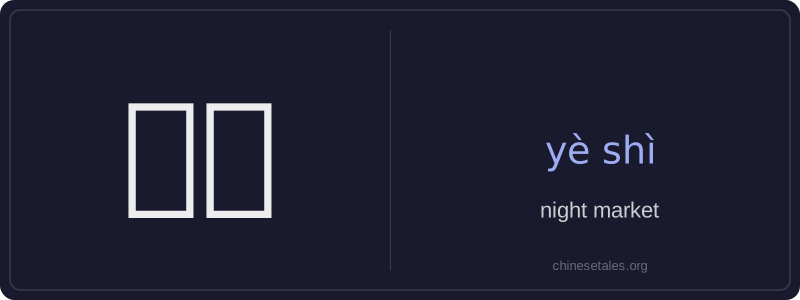
夜市 (yè shì) literally means 'night market' — 夜 (yè) means 'night', and 市 (shì) means 'market' or 'fair'. Together, they refer to an open-air marketplace that operates in the evening and late into the night, commonly found in cities and towns across China and other parts of East and Southeast Asia. These markets are vibrant social hubs where vendors sell street food, clothing, handmade crafts, electronics, and souvenirs.
Night markets are especially popular on weekends and holidays, attracting locals and tourists alike. They reflect everyday urban life and informal commerce — often lively, affordable, and full of sensory experiences like sizzling woks, colorful lights, and bustling crowds. While some night markets are permanent fixtures with fixed stalls, others are temporary or seasonal. The term is neutral and widely used in both spoken and written Chinese, appearing in travel guides, news reports, and casual conversation.
Example Sentences
Related Words
国语
‘Guó yǔ’ literally means 'national language'—
无论谁
‘无论谁’ (wú lùn shéi) is a pronoun meaning
外语
‘外语’ literally means ‘outside language’ —
面条
‘面条’ (miàn tiáo) literally means ‘flour str
不对
不对 (bù duì) literally combines 不 (bù), meani
认为
‘认为’ (rèn wéi) is a transitive verb meaning
认同
‘认同’ (tóng rèn) is a verb meaning ‘to ident
中学
'Zhōngxué' literally combines 'zhōng' (middle)