Word Explanation
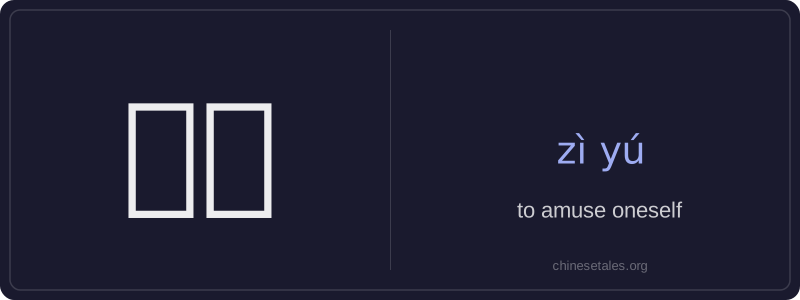
‘Zì yú’ literally means ‘self-amusement’ — ‘zì’ (self) + ‘yú’ (to amuse, delight). It describes the act of finding enjoyment or relaxation through one’s own activities, without needing external validation, company, or entertainment. Unlike passive leisure (like watching TV), zì yú emphasizes active, inwardly satisfying engagement — such as playing an instrument alone, writing poetry for pleasure, or gardening just for the joy of it.
This word carries a quiet, dignified, and slightly literary tone. It often appears in formal writing, essays, or reflective speech to convey self-sufficiency in happiness. While not archaic, it’s less common in casual spoken Chinese than simpler phrases like ‘自己找乐子’ (zìjǐ zhǎo lèzi). It reflects a Confucian- and Daoist-influenced ideal: contentment arising from inner cultivation rather than external stimuli.
Example Sentences
Related Words
国语
‘Guó yǔ’ literally means 'national language'—
无论谁
‘无论谁’ (wú lùn shéi) is a pronoun meaning
外语
‘外语’ literally means ‘outside language’ —
面条
‘面条’ (miàn tiáo) literally means ‘flour str
不对
不对 (bù duì) literally combines 不 (bù), meani
认为
‘认为’ (rèn wéi) is a transitive verb meaning
认同
‘认同’ (tóng rèn) is a verb meaning ‘to ident
中学
'Zhōngxué' literally combines 'zhōng' (middle)