Word Explanation
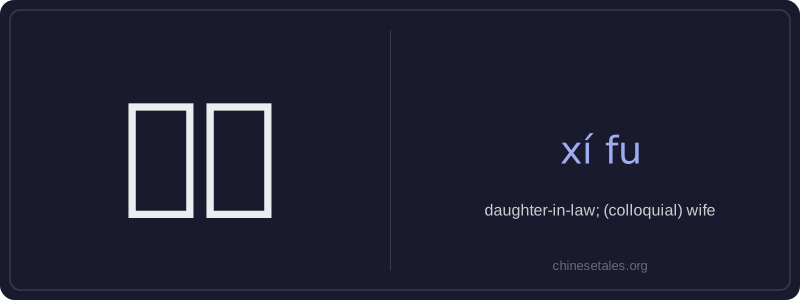
‘媳妇’ (xí fu) literally combines 媳 (xí), meaning ‘daughter-in-law’ — a woman who has married into a family — and 妇 (fù), meaning ‘married woman’ or ‘wife’. Together, the term primarily means ‘daughter-in-law’, referring to the wife of one’s son. It is commonly used by parents-in-law when speaking about or addressing their son’s spouse.
In informal, colloquial speech — especially in northern China and in spoken contexts — ‘媳妇’ can also mean ‘wife’, used affectionately or casually by a husband referring to his own spouse (e.g., ‘我媳妇’ = ‘my wife’). This usage is warm and familiar but not appropriate in formal writing or official contexts. The term carries familial and relational nuance, emphasizing role within the extended family rather than just marital status.
Example Sentences
Related Words
国语
‘Guó yǔ’ literally means 'national language'—
无论谁
‘无论谁’ (wú lùn shéi) is a pronoun meaning
外语
‘外语’ literally means ‘outside language’ —
面条
‘面条’ (miàn tiáo) literally means ‘flour str
不对
不对 (bù duì) literally combines 不 (bù), meani
认为
‘认为’ (rèn wéi) is a transitive verb meaning
认同
‘认同’ (tóng rèn) is a verb meaning ‘to ident
中学
'Zhōngxué' literally combines 'zhōng' (middle)