Word Explanation
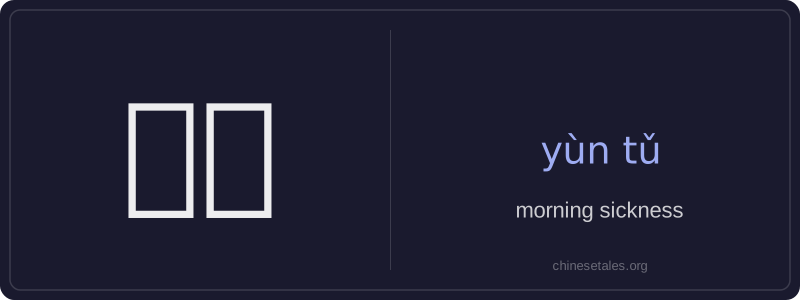
‘孕吐’ literally combines 孕 (yùn), meaning 'pregnancy', and 吐 (tǔ), meaning 'to vomit'. Together, it refers specifically to nausea and vomiting experienced during early pregnancy—commonly known in English as 'morning sickness', though symptoms can occur at any time of day. It is a widely recognized physiological response, often beginning around the sixth week of gestation and typically subsiding by the end of the first trimester.
The term is neutral and clinical in register but frequently used in everyday conversation among pregnant people, family members, doctors, and health educators. While it describes a physical symptom, it carries cultural associations with the early stages of pregnancy and is sometimes discussed with empathy or humor. It does not imply illness in the pathological sense, but rather a normal, albeit uncomfortable, part of early gestation.
Example Sentences
Related Words
国语
‘Guó yǔ’ literally means 'national language'—
无论谁
‘无论谁’ (wú lùn shéi) is a pronoun meaning
外语
‘外语’ literally means ‘outside language’ —
面条
‘面条’ (miàn tiáo) literally means ‘flour str
不对
不对 (bù duì) literally combines 不 (bù), meani
认为
‘认为’ (rèn wéi) is a transitive verb meaning
认同
‘认同’ (tóng rèn) is a verb meaning ‘to ident
中学
'Zhōngxué' literally combines 'zhōng' (middle)