Word Explanation
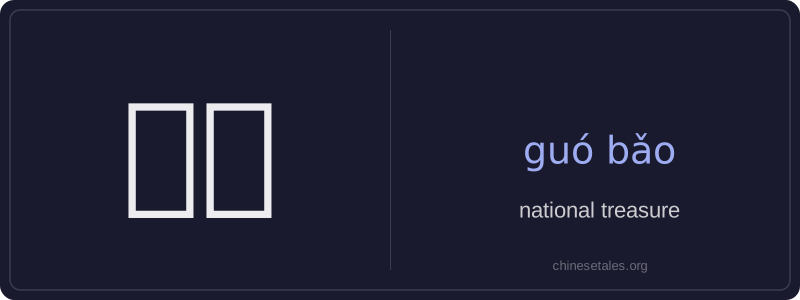
‘Guó bǎo’ literally means ‘national treasure’ — combining 国 (guó), meaning ‘country’ or ‘nation,’ and 宝 (bǎo), meaning ‘treasure’ or ‘precious thing.’ While it can refer to any culturally or historically significant artifact, artwork, or person officially recognized by China, in everyday speech it most commonly refers to the giant panda. This usage reflects the animal’s deep symbolic connection to Chinese identity, conservation efforts, and international diplomacy.
The term carries strong positive connotations of rarity, value, and national pride. It is often used in formal contexts such as museum exhibits, government announcements, and media reports about cultural heritage or endangered species. Unlike generic terms like ‘treasure’ (bǎo bèi), 国宝 implies official recognition and broad societal reverence — not just personal or monetary worth, but irreplaceable cultural significance.
Example Sentences
Related Words
国语
‘Guó yǔ’ literally means 'national language'—
无论谁
‘无论谁’ (wú lùn shéi) is a pronoun meaning
外语
‘外语’ literally means ‘outside language’ —
面条
‘面条’ (miàn tiáo) literally means ‘flour str
不对
不对 (bù duì) literally combines 不 (bù), meani
认为
‘认为’ (rèn wéi) is a transitive verb meaning
认同
‘认同’ (tóng rèn) is a verb meaning ‘to ident
中学
'Zhōngxué' literally combines 'zhōng' (middle)