Word Explanation
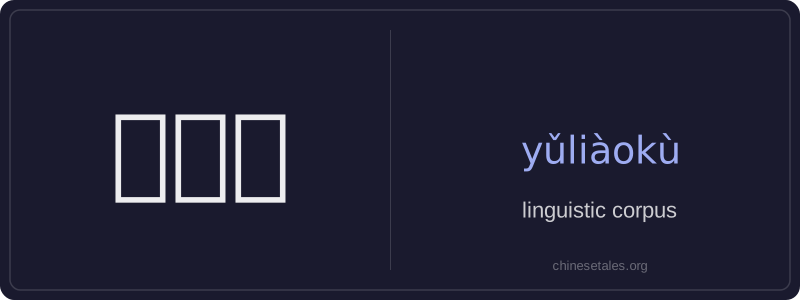
A yǔliàokù (linguistic corpus) is a large, structured collection of authentic texts or spoken language recordings, used for linguistic research, language teaching, and natural language processing. The word combines three characters: yǔ (language), liào (material, substance), and kù (warehouse, repository). Literally, it means 'a warehouse of language material' — emphasizing its function as a carefully organized, searchable archive of real-world language use.
Linguists build corpora to study grammar patterns, vocabulary frequency, dialect variation, or historical language change. Modern corpora are usually digital and annotated with part-of-speech tags, syntactic trees, or semantic labels. They range from general-purpose collections (e.g., the Chinese National Corpus) to specialized ones — such as medical Chinese, business negotiations, or children’s speech — making them indispensable tools in computational linguistics and evidence-based language education.
Example Sentences
Related Words
国语
‘Guó yǔ’ literally means 'national language'—
无论谁
‘无论谁’ (wú lùn shéi) is a pronoun meaning
外语
‘外语’ literally means ‘outside language’ —
面条
‘面条’ (miàn tiáo) literally means ‘flour str
不对
不对 (bù duì) literally combines 不 (bù), meani
认为
‘认为’ (rèn wéi) is a transitive verb meaning
认同
‘认同’ (tóng rèn) is a verb meaning ‘to ident
中学
'Zhōngxué' literally combines 'zhōng' (middle)