Word Explanation
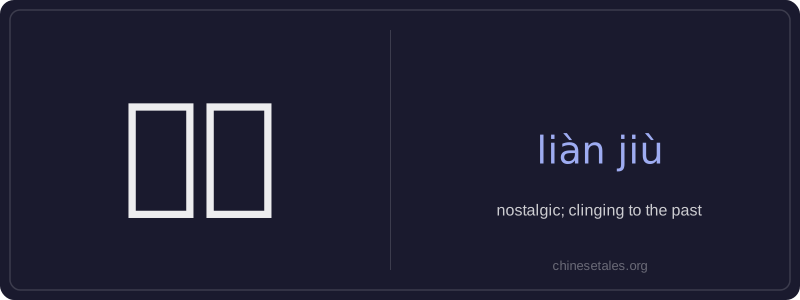
恋旧 (liàn jiù) literally combines 恋 (liàn), meaning 'to be attached to' or 'to yearn for', and 旧 (jiù), meaning 'old' or 'past'. Together, they describe a sentimental attachment to things, people, or experiences from the past — not merely remembering them, but feeling emotionally drawn to them. It often carries a gentle, wistful tone, suggesting warmth and fondness rather than regret or resistance to change.
This word is commonly used to describe people’s attitudes toward childhood objects, outdated technology (like film cameras), old songs, or former relationships. It appears frequently in literature, music lyrics, and everyday conversation when reflecting on personal history. While it can occasionally imply reluctance to embrace the new, it’s usually neutral or even positive — highlighting emotional depth and continuity of identity across time.
Example Sentences
Related Words
国语
‘Guó yǔ’ literally means 'national language'—
无论谁
‘无论谁’ (wú lùn shéi) is a pronoun meaning
外语
‘外语’ literally means ‘outside language’ —
面条
‘面条’ (miàn tiáo) literally means ‘flour str
不对
不对 (bù duì) literally combines 不 (bù), meani
认为
‘认为’ (rèn wéi) is a transitive verb meaning
认同
‘认同’ (tóng rèn) is a verb meaning ‘to ident
违规
违规 (wéi guī) literally means 'to violate rules