Word Explanation
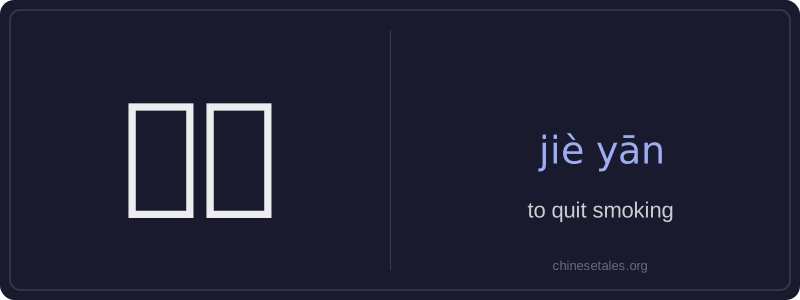
戒烟 (jiè yān) literally means 'to戒 (jiè) — to abstain from, renounce, or forbid oneself — and 烟 (yān) — tobacco or smoking.' Together, it specifically means 'to quit smoking' — the deliberate, sustained cessation of cigarette or tobacco use. It is a compound verb formed by combining a verb of prohibition with a noun representing the habit being stopped.
This term is widely used in health contexts, public campaigns, medical advice, and personal conversations about lifestyle change. While 戒 can pair with many nouns (e.g., 戒酒 'quit drinking'), 戒烟 is one of the most common and socially significant combinations in modern Chinese. It implies intentionality and effort, not just temporary abstinence, and often carries positive connotations of self-discipline and improved well-being.
Example Sentences
Related Words
国语
‘Guó yǔ’ literally means 'national language'—
无论谁
‘无论谁’ (wú lùn shéi) is a pronoun meaning
外语
‘外语’ literally means ‘outside language’ —
面条
‘面条’ (miàn tiáo) literally means ‘flour str
不对
不对 (bù duì) literally combines 不 (bù), meani
认为
‘认为’ (rèn wéi) is a transitive verb meaning
认同
‘认同’ (tóng rèn) is a verb meaning ‘to ident
违规
违规 (wéi guī) literally means 'to violate rules