Word Explanation
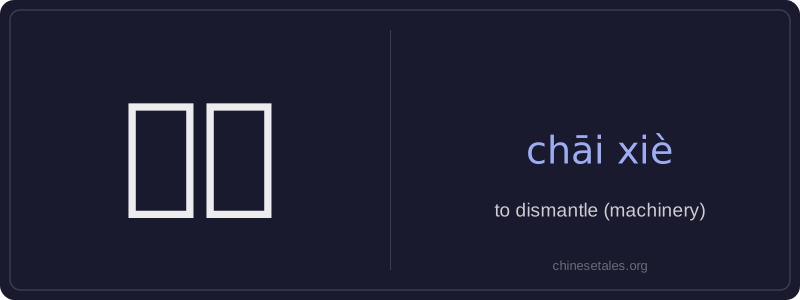
拆卸 (chāi xiè) is a transitive verb meaning 'to dismantle' — specifically, to carefully take apart machinery, equipment, or assembled structures into their component parts. The first character 拆 (chāi) means 'to pull apart' or 'to break down', while 卸 (xiè) means 'to unload' or 'to remove', often implying the removal of parts under controlled conditions. Together, they emphasize a deliberate, methodical disassembly process rather than destruction.
This term is commonly used in technical, industrial, and maintenance contexts — for example, when servicing engines, removing HVAC units, or decommissioning factory equipment. It carries a formal, professional tone and is rarely used for everyday objects like furniture (where 拆 (chāi) alone suffices). It implies precision and purpose: dismantling with intent to repair, inspect, transport, or recycle — not simply discarding.
Example Sentences
Related Words
国语
‘Guó yǔ’ literally means 'national language'—
无论谁
‘无论谁’ (wú lùn shéi) is a pronoun meaning
外语
‘外语’ literally means ‘outside language’ —
面条
‘面条’ (miàn tiáo) literally means ‘flour str
不对
不对 (bù duì) literally combines 不 (bù), meani
认为
‘认为’ (rèn wéi) is a transitive verb meaning
认同
‘认同’ (tóng rèn) is a verb meaning ‘to ident
违规
违规 (wéi guī) literally means 'to violate rules