Word Explanation
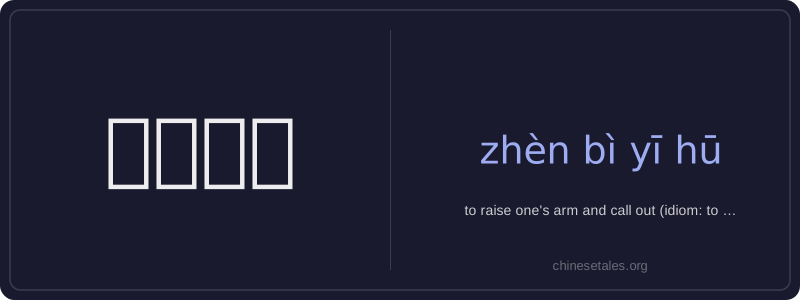
‘振臂一呼’ is a vivid four-character idiom that literally means ‘to raise one’s arm and shout once.’ Each character contributes to the image: 振 (to shake or raise vigorously), 臂 (arm), 一 (one, indicating a single decisive action), and 呼 (to call out or shout). Together, they evoke a powerful, spontaneous gesture of leadership—someone standing up boldly and rallying others with a passionate cry.
This idiom is used metaphorically to describe inspiring collective action, especially in contexts of social mobilization, protest, or enthusiastic advocacy. It emphasizes charisma, urgency, and influence—the speaker doesn’t need lengthy arguments; their mere call ignites widespread response. While rooted in historical or literary depictions of revolutionaries or heroes, it’s still used today in formal speeches, news reports, and essays to highlight catalytic leadership or grassroots momentum.
Example Sentences
Related Words
国语
‘Guó yǔ’ literally means 'national language'—
无论谁
‘无论谁’ (wú lùn shéi) is a pronoun meaning
外语
‘外语’ literally means ‘outside language’ —
面条
‘面条’ (miàn tiáo) literally means ‘flour str
不对
不对 (bù duì) literally combines 不 (bù), meani
认为
‘认为’ (rèn wéi) is a transitive verb meaning
认同
‘认同’ (tóng rèn) is a verb meaning ‘to ident
违规
违规 (wéi guī) literally means 'to violate rules