Word Explanation
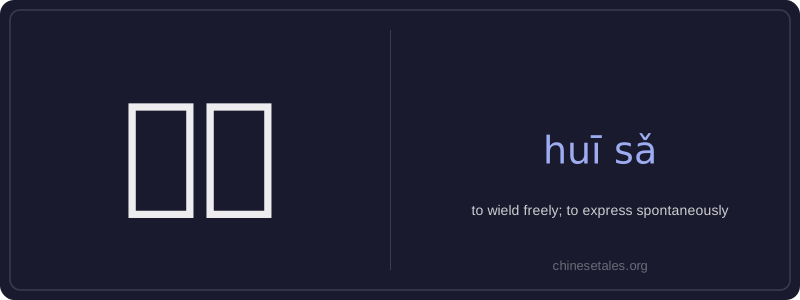
‘挥洒’ is a compound verb formed from 挥 (to wave, wield, or brandish) and 洒 (to sprinkle, scatter, or pour). Together, they evoke the vivid image of moving one’s hand freely—like an artist sweeping a brush across paper or a calligrapher releasing ink with unselfconscious energy. The word emphasizes spontaneity, fluency, and expressive confidence, often implying mastery and lack of restraint.
It is commonly used in artistic, literary, and rhetorical contexts: describing bold brushstrokes in painting or calligraphy, eloquent speech, or effortless physical movement (e.g., dancing or sports). While it can describe literal actions like scattering water or flour, its figurative use dominates—conveying the graceful, unrestrained expression of inner vitality or skill. It carries a positive, even elegant connotation and is frequently found in formal writing, criticism, and descriptive prose.
Example Sentences
Related Words
国语
‘Guó yǔ’ literally means 'national language'—
无论谁
‘无论谁’ (wú lùn shéi) is a pronoun meaning
外语
‘外语’ literally means ‘outside language’ —
面条
‘面条’ (miàn tiáo) literally means ‘flour str
不对
不对 (bù duì) literally combines 不 (bù), meani
认为
‘认为’ (rèn wéi) is a transitive verb meaning
认同
‘认同’ (tóng rèn) is a verb meaning ‘to ident
违规
违规 (wéi guī) literally means 'to violate rules