Word Explanation
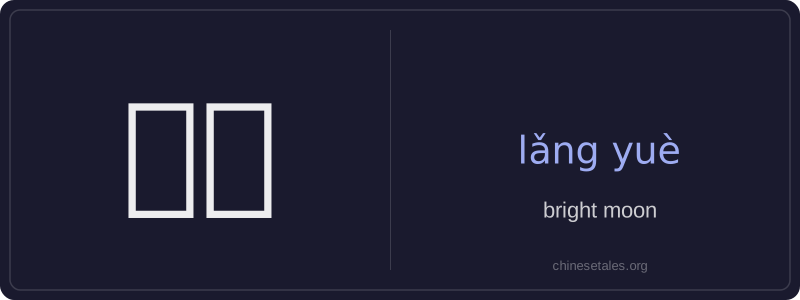
朗月 literally combines 朗 (lǎng), meaning 'bright', 'clear', or 'lucid', and 月 (yuè), meaning 'moon'. Together, they form a poetic, literary term for a 'bright moon' — specifically one shining clearly and serenely in a cloudless night sky. Unlike the neutral term 明月 (míng yuè), 朗月 carries a refined, classical tone often found in poetry, calligraphy, or descriptive prose evoking tranquility, purity, or quiet beauty.
This term is rarely used in casual speech; it appears mainly in artistic or elevated contexts — such as classical verses, landscape painting inscriptions, or lyrical essays about nature. It emphasizes not just brightness but also clarity, openness, and a sense of calm radiance. Because of its literary weight, 朗月 conveys atmosphere and mood more than mere illumination, making it a favorite in traditional Chinese aesthetics where natural imagery symbolizes inner harmony and moral clarity.
Example Sentences
Related Words
国语
‘Guó yǔ’ literally means 'national language'—
无论谁
‘无论谁’ (wú lùn shéi) is a pronoun meaning
外语
‘外语’ literally means ‘outside language’ —
面条
‘面条’ (miàn tiáo) literally means ‘flour str
不对
不对 (bù duì) literally combines 不 (bù), meani
认为
‘认为’ (rèn wéi) is a transitive verb meaning
认同
‘认同’ (tóng rèn) is a verb meaning ‘to ident
违规
违规 (wéi guī) literally means 'to violate rules