Word Explanation
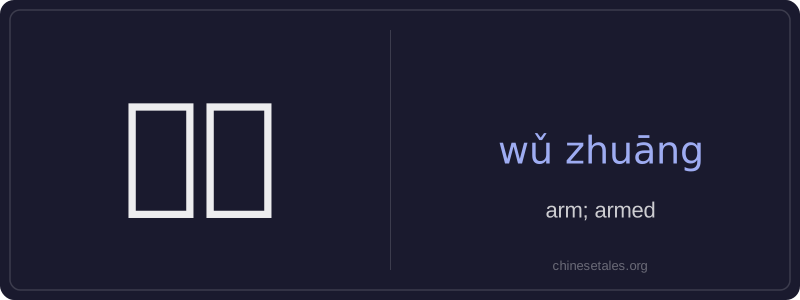
'武装' (wǔ zhuāng) literally combines 武 (wǔ), meaning 'martial' or 'military', and 装 (zhuāng), meaning 'equipment' or 'outfit'. Together, it means 'arms', 'armament', or the state of being 'armed'. As a noun, it refers to weapons, military equipment, or an armed force; as an adjective, it describes something equipped for combat—e.g., an 'armed vehicle' or 'armed forces'.
The term is commonly used in formal, political, or military contexts—such as news reports, government documents, or historical narratives. It’s rarely used in casual speech and almost never for non-military meanings (unlike English 'armed', which can be metaphorical). While 武 alone evokes martial skill or tradition, and 装 alone suggests clothing or installation, their combination specifically signals organized, functional weaponry or preparedness for armed conflict.
Example Sentences
Related Words
国语
‘Guó yǔ’ literally means 'national language'—
无论谁
‘无论谁’ (wú lùn shéi) is a pronoun meaning
外语
‘外语’ literally means ‘outside language’ —
面条
‘面条’ (miàn tiáo) literally means ‘flour str
认同
‘认同’ (tóng rèn) is a verb meaning ‘to ident
不对
不对 (bù duì) literally combines 不 (bù), meani
认为
‘认为’ (rèn wéi) is a transitive verb meaning
违规
违规 (wéi guī) literally means 'to violate rules