Word Explanation
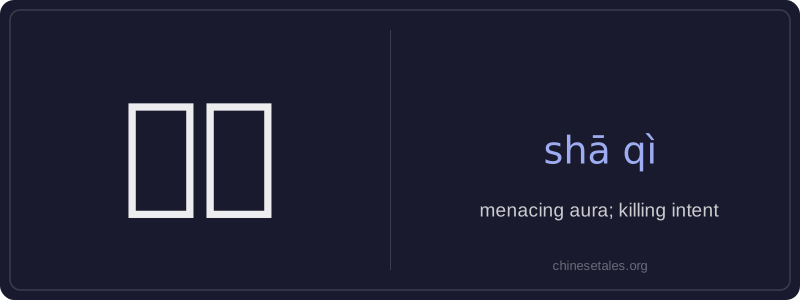
‘Shā qì’ literally combines ‘shā’ (to kill) and ‘qì’ (qi, or vital energy/aura), forming a compound noun that describes an intense, palpable sense of lethal intent or menace—not necessarily physical violence, but the chilling aura someone emits when furious, focused, or ready to harm. It’s often used in martial arts, historical dramas, or literary descriptions to evoke tension, danger, or psychological dominance.
This word carries strong connotations of suppressed aggression and is rarely used in casual daily speech. It appears most frequently in contexts involving confrontation, high-stakes competition, or characters with formidable presence—such as a seasoned warrior entering a room or a judge delivering a stern verdict. While not tied to actual killing, ‘shā qì’ implies an emotional or spiritual readiness for conflict, making it more dramatic and figurative than literal.
Example Sentences
Related Words
国语
‘Guó yǔ’ literally means 'national language'—
无论谁
‘无论谁’ (wú lùn shéi) is a pronoun meaning
外语
‘外语’ literally means ‘outside language’ —
面条
‘面条’ (miàn tiáo) literally means ‘flour str
认同
‘认同’ (tóng rèn) is a verb meaning ‘to ident
不对
不对 (bù duì) literally combines 不 (bù), meani
认为
‘认为’ (rèn wéi) is a transitive verb meaning
违规
违规 (wéi guī) literally means 'to violate rules