Word Explanation
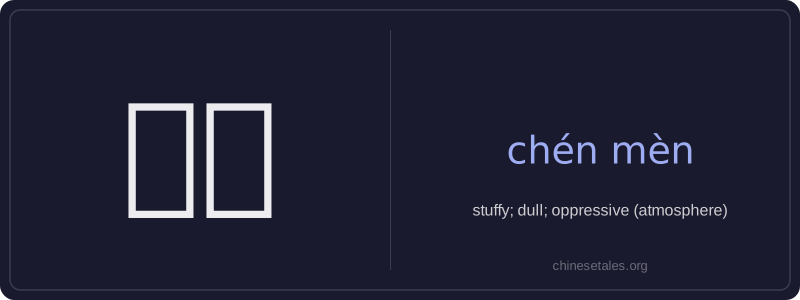
沉闷 (chén mèn) is an adjective describing an atmosphere or mood that feels heavy, dull, and lacking energy or stimulation — like a room with poor ventilation or a long, unengaging meeting. The first character 沉 (chén) means 'heavy', 'sinking', or 'profound', suggesting weight and inertia; the second character 闷 (mèn) means 'stuffy', 'oppressive', or 'bored', often linked to physical discomfort or mental stagnation. Together, they evoke a layered sense of suffocating dullness — not just boredom, but a palpable, almost physical heaviness in the air or mood.
This word is commonly used to describe weather (e.g., humid, windless days), social settings (a quiet, awkward gathering), or abstract contexts like literature, music, or work environments. It carries a slightly negative, subjective connotation — implying discomfort rather than mere neutrality. While it can occasionally describe people ('a沉闷 person'), this usage is rare and often softened with context or modifiers like 有点 (a little).
Example Sentences
Related Words
国语
‘Guó yǔ’ literally means 'national language'—
无论谁
‘无论谁’ (wú lùn shéi) is a pronoun meaning
外语
‘外语’ literally means ‘outside language’ —
面条
‘面条’ (miàn tiáo) literally means ‘flour str
认同
‘认同’ (tóng rèn) is a verb meaning ‘to ident
不对
不对 (bù duì) literally combines 不 (bù), meani
认为
‘认为’ (rèn wéi) is a transitive verb meaning
违规
违规 (wéi guī) literally means 'to violate rules