Word Explanation
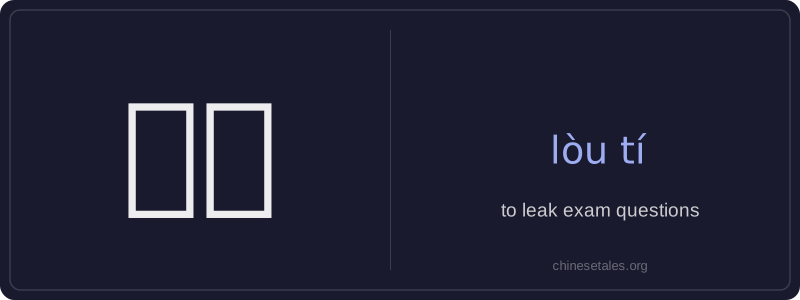
"Lòu tí" literally means 'leak questions'—'lòu' (to leak, to let out unintentionally) and 'tí' (question, especially an exam or test question). Together, the term refers specifically to the unauthorized disclosure of examination content before the test is administered. It implies a serious breach of academic integrity, often involving teachers, administrators, or staff with access to confidential test materials.
This word is commonly used in formal contexts such as news reports, school disciplinary notices, or policy documents. It carries strong negative connotations and is associated with consequences like canceled exams, investigations, or professional sanctions. Unlike general terms for information leaks, 漏题 is narrowly reserved for examination-related breaches—not for leaking other kinds of sensitive information like personal data or government secrets.
Example Sentences
Related Words
国语
‘Guó yǔ’ literally means 'national language'—
无论谁
‘无论谁’ (wú lùn shéi) is a pronoun meaning
外语
‘外语’ literally means ‘outside language’ —
面条
‘面条’ (miàn tiáo) literally means ‘flour str
认同
‘认同’ (tóng rèn) is a verb meaning ‘to ident
不对
不对 (bù duì) literally combines 不 (bù), meani
认为
‘认为’ (rèn wéi) is a transitive verb meaning
违规
违规 (wéi guī) literally means 'to violate rules